Common Causes
The dental pulp may become inflamed or infected because of:
Root canal and related treatments aim to remove diseased tissue, control infection and seal the inside of the tooth so that it can be restored and retained.
Tell us your main concern. We will help you find the relevant treatment information and a suitable next step.
No exact match found. Please use “Search Website” or contact us on WhatsApp.
Severe toothache, prolonged sensitivity, swelling or pain while chewing may indicate inflammation or infection inside a tooth. Endodontic treatment focuses on diagnosing these conditions and preserving the natural tooth whenever it has a reasonable and restorable prognosis.
At Pristine Dental, Raipur, root canal treatment, retreatment and emergency dental-trauma care are provided using a careful, diagnosis-led approach.
Severe Toothache Persistent or spontaneous dental pain
Prolonged Sensitivity Lingering response to hot or cold
Swelling or Bite Pain Discomfort while chewing or biting
SPECIALTY-BASED COORDINATION Complex cases may be planned or coordinated with an appropriate endodontic or paediatric-dental specialist.
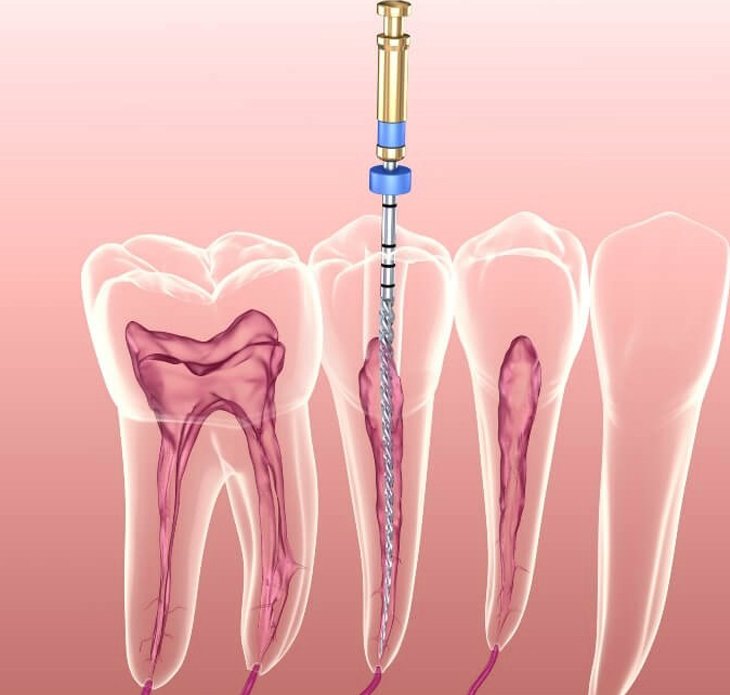
Endodontics is the branch of dentistry concerned with the dental pulp—the soft tissue containing nerves and blood vessels inside the tooth—and the tissues surrounding the tooth’s roots.
The dental pulp may become inflamed or infected because of:
Root canal and related treatments aim to remove diseased tissue, control infection and seal the inside of the tooth so that it can be restored and retained.
Arrange a dental examination if you experience:
Not every infected tooth produces severe pain. Some infected teeth cause very little discomfort. A clinical examination, pulp tests and appropriate dental radiographs may be necessary to identify the cause.
From pulp therapy for children and root canal treatment to retreatment, surgical endodontics and dental-trauma management, every procedure is recommended after careful clinical evaluation.
Treatment is selected according to the tooth condition, infection and the child’s age.
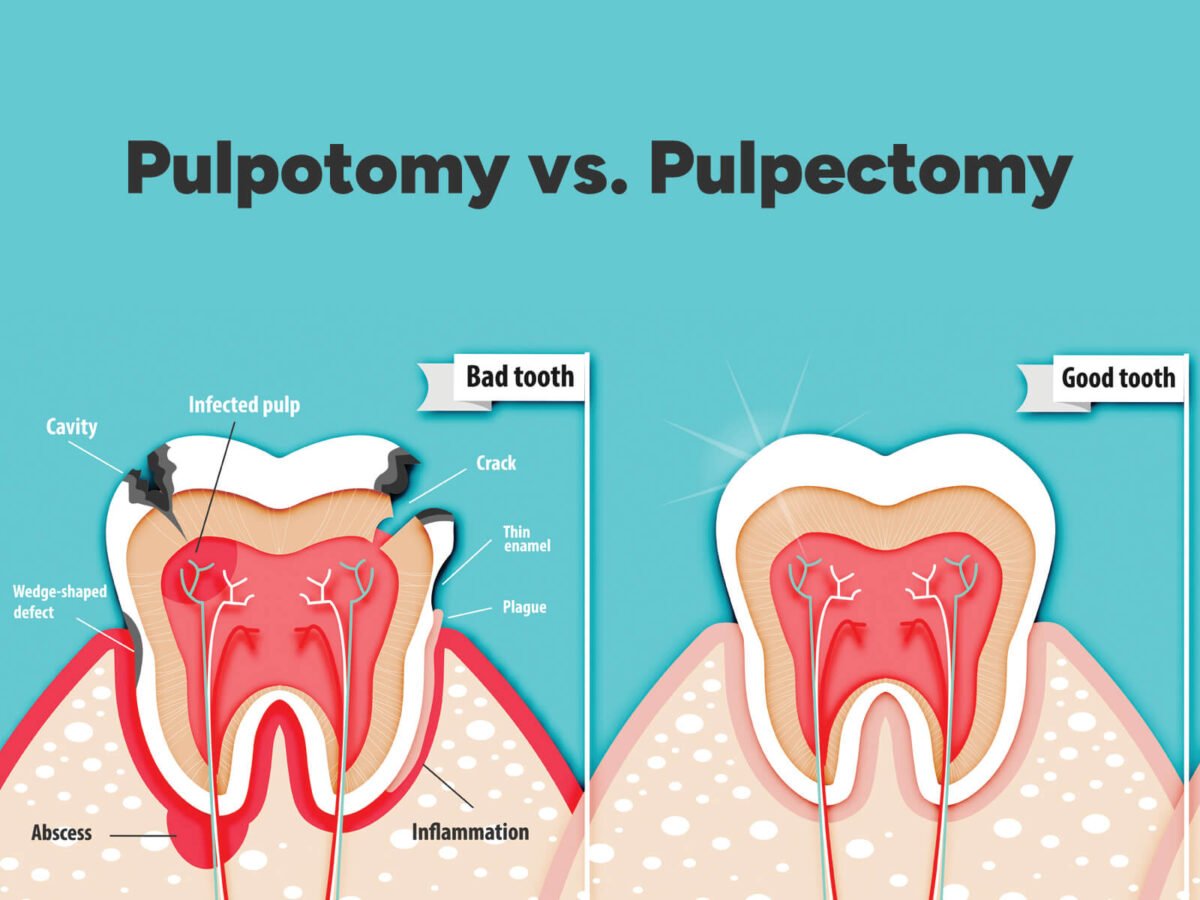
Primary, or baby, teeth help children eat, speak and maintain space for developing permanent teeth. When a restorable primary tooth develops deep decay or pulp infection, pulp therapy may help retain it until its natural shedding time.
Treatment depends on whether the pulp remains vital, the extent of infection, remaining tooth structure, root condition and the child’s age.
A pulpotomy removes inflamed pulp from the crown portion of the tooth while preserving suitable tissue inside the roots.
It may be considered when:A pulpectomy removes infected or non-vital pulp tissue from the crown and root canals of a primary tooth.
It may be considered when:After pulp therapy, the tooth requires a durable restoration. A stainless-steel or another suitable crown may be recommended for a back primary tooth.
A severely damaged tooth, a tooth with extensive root resorption or one close to natural shedding may be better managed by extraction. Individual examination is essential.
Diagnosis-led treatment for inflammation or infection inside a permanent tooth.
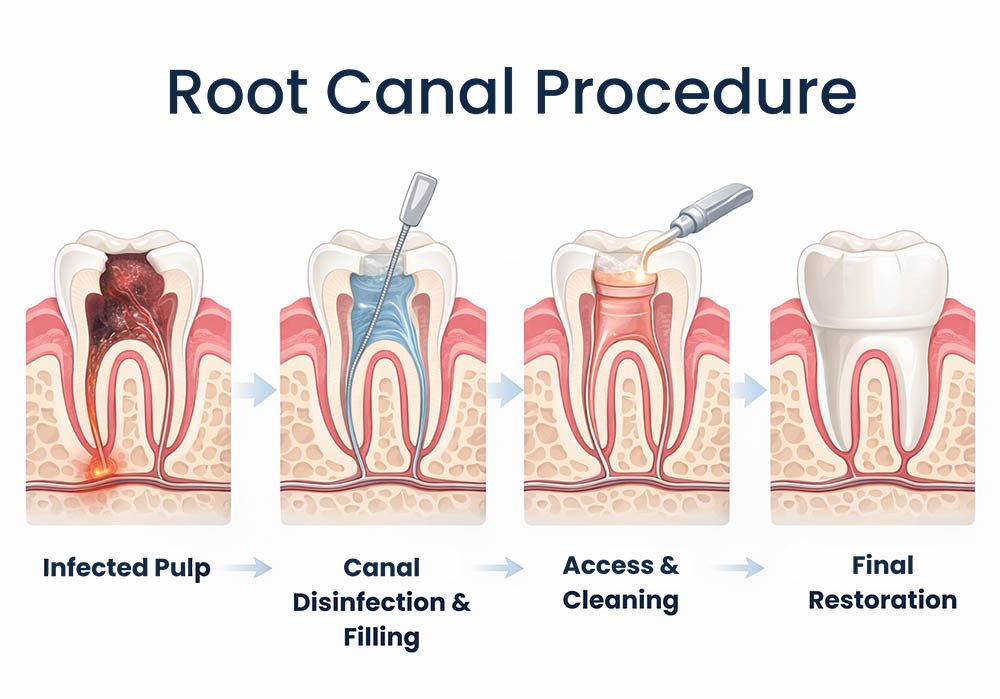
Root canal treatment, or RCT, is used to treat inflammation or infection inside a permanent tooth. The objective is to remove diseased tissue, disinfect the canals and preserve the natural tooth where it has a suitable prognosis.
The tooth is numbed using local anaesthesia.
The internal pulp chamber and root canals are accessed.
Inflamed or infected tissue is carefully removed.
The root canals are cleaned, shaped and disinfected.
The prepared canal spaces are filled and sealed.
The tooth is restored with a filling, onlay or crown according to its condition.
Root canal treatment does not make a tooth indestructible. Timely placement of the recommended final restoration is important to reduce leakage and fracture risk.
Retreatment may be considered when healing is incomplete or infection returns.
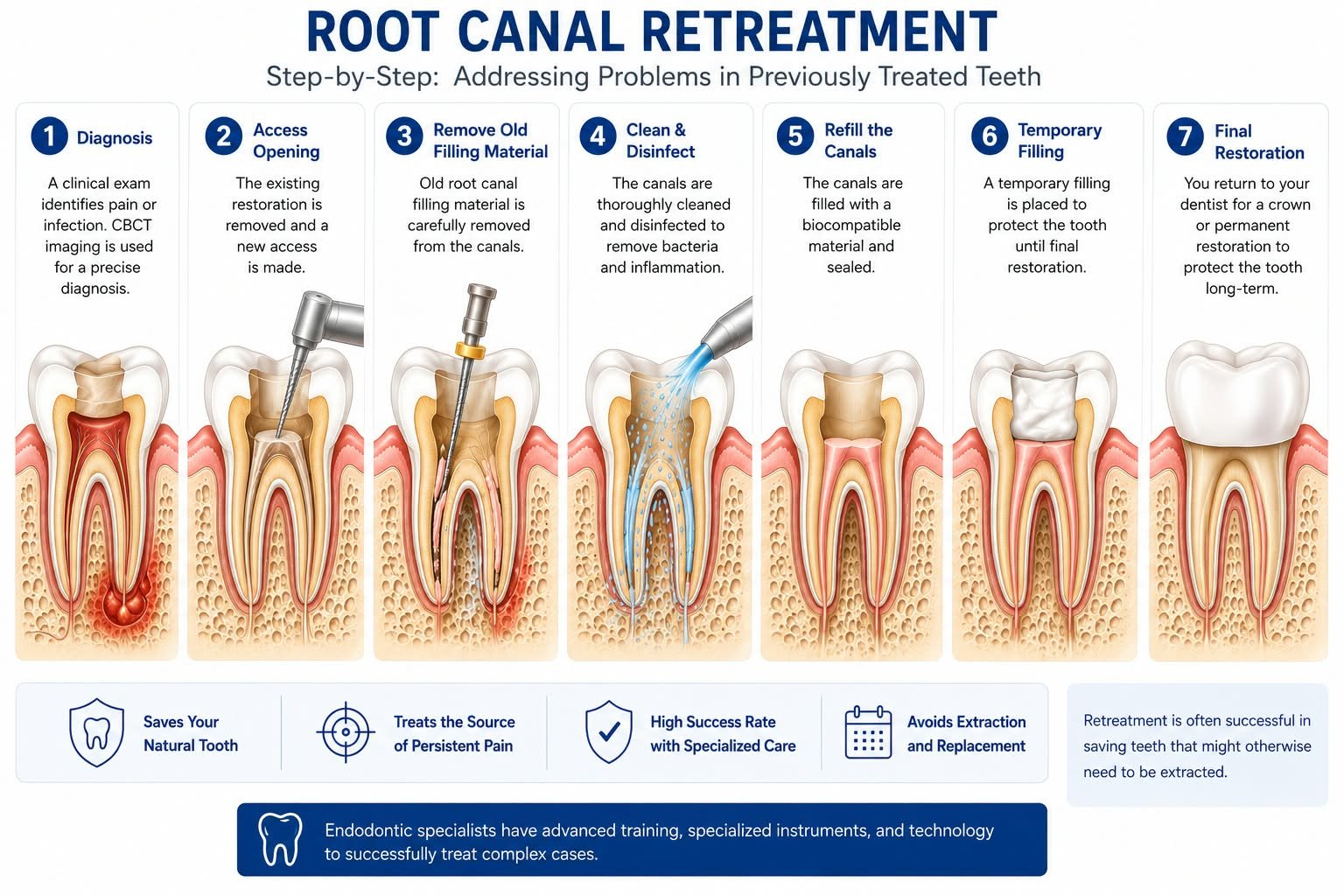
A previously root-treated tooth may sometimes fail to heal as expected or become infected again months or years later. Retreatment provides an opportunity to reassess, disinfect and reseal the internal canal system.
The tooth is reopened and previous canal-filling material is removed. A crown, post or core may sometimes require removal to obtain safe access.
The canals are carefully examined, cleaned, disinfected and sealed again before an appropriate final restoration is planned.
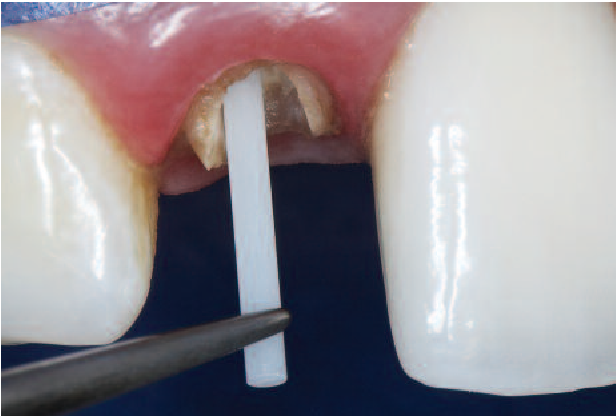
Used selectively when a root-treated tooth requires additional retention for its restoration.
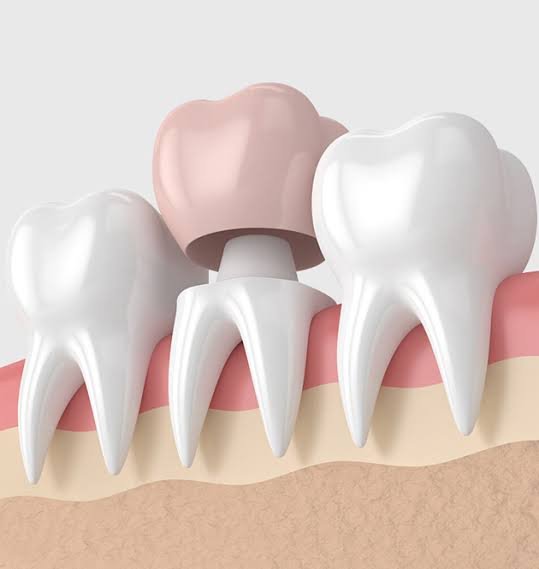
After root canal treatment, some teeth do not have enough remaining structure to support a crown. A post-and-core restoration may then be considered to rebuild the missing portion and provide suitable retention.
Placed inside a suitably prepared root canal when additional retention is required.
Rebuilds the missing portion of the tooth and creates a foundation for the final restoration.
Covers and protects the rebuilt tooth when a crown is clinically indicated.
A post is not required for every root-treated tooth and does not strengthen the root itself. Its main purpose is to retain the core when insufficient tooth structure remains.
The tooth must have adequate root support and sufficient remaining structure for a predictable restorative outcome.
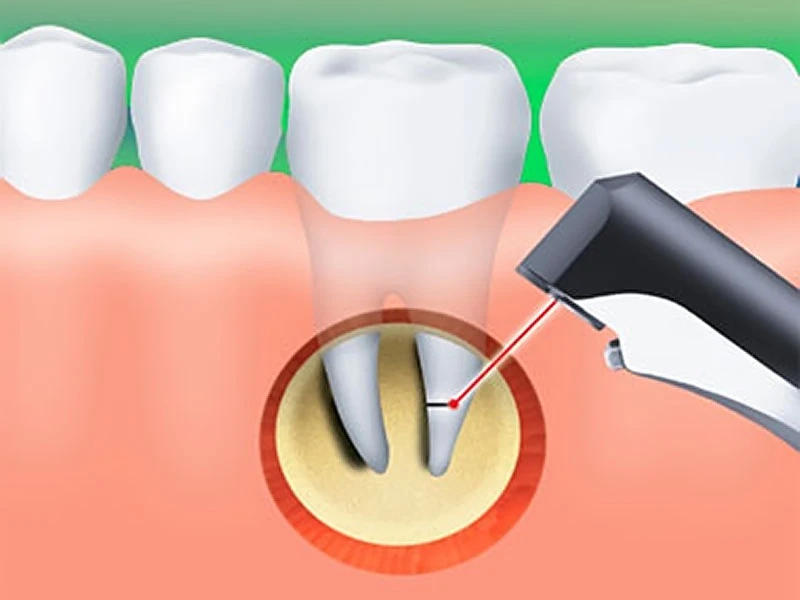
A surgical option for carefully selected teeth with persistent root-end disease.
An apicoectomy, or root-end surgery, may be considered when inflammation or infection persists around the end of a root after root canal treatment or retreatment.
Local anaesthesia is administered.
A small opening is made in the gum near the root.
Inflamed or infected tissue is removed.
The tip of the affected root is carefully resected.
A root-end filling may be placed to seal the canal.
The gum is repositioned and sutured.
An apicoectomy cannot save every tooth. Root fractures, poor periodontal support and extensive structural damage can affect the prognosis.
Considered only for carefully selected multi-rooted teeth.
Root amputation and hemisection are tooth-preservation procedures used in carefully selected multi-rooted teeth when one root or one section has a localised problem.
Root amputation removes one compromised root while retaining the crown and remaining healthy roots.
It may be considered when one root has:Hemisection divides a multi-rooted tooth and removes the affected crown-and-root section. The remaining portion may then be restored.
Suitability depends on:These procedures require coordination between endodontic, periodontal and restorative treatment and are not suitable for every compromised tooth.
Early professional care may significantly influence the available treatment options and long-term prognosis.
Dental trauma can displace, loosen, fracture or completely knock a tooth out of its socket. Prompt professional evaluation can be important for protecting the tooth and surrounding tissues.
Hold the tooth only by its white crown—never touch the root.
If dirty, rinse it gently for a few seconds using milk or saline. Do not scrub, scrape or disinfect it.
If possible and safe, gently place the permanent tooth back into its socket in the correct direction.
If it cannot be replaced, keep it moist in cold milk or an appropriate tooth-preservation solution.
Contact Pristine Dental and reach the clinic immediately.
Do not replant a knocked-out baby tooth. Do not allow a permanent tooth to dry, and never wrap it in tissue or cloth.
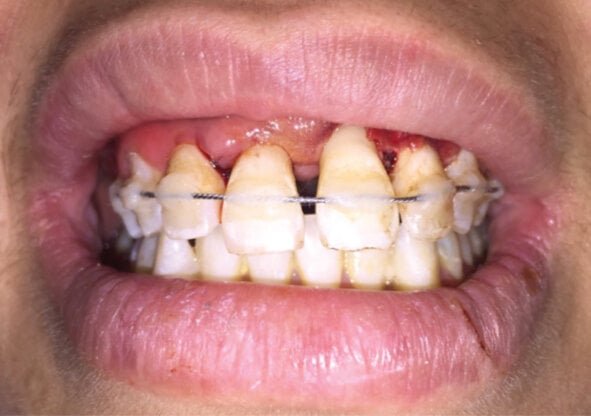
After repositioning or replantation, a flexible dental splint may temporarily stabilise the injured tooth by connecting it to neighbouring teeth.
Traumatised teeth require scheduled follow-up because complications can develop even when the tooth initially appears stable.
The appropriate treatment can be recommended only after evaluating the tooth, symptoms and relevant diagnostic findings.
A careful clinical examination helps identify whether discomfort is originating from the dental pulp, surrounding tissues or another dental or non-dental condition.
Tests and imaging are selected according to symptoms and clinical findings.
Review of your pain, sensitivity, previous treatment and relevant dental history.
Examination of the affected tooth, surrounding gums and nearby oral structures.
Cold, heat or electric pulp testing may be performed when clinically appropriate.
Gentle tests help assess tenderness around the tooth and its supporting tissues.
The stability of the tooth and condition of its supporting structures may be evaluated.
Clinically appropriate X-rays help assess roots, bone and areas that cannot be examined visually.
Fillings, crowns and other restorations are checked for damage, leakage or related concerns.
Three-dimensional imaging may be recommended in selected complex cases.
The tooth is assessed for visible or suspected cracks that may influence the diagnosis and treatment options.
Tooth pain can originate from several dental and non-dental conditions. Treatment is recommended only after identifying the likely source of the problem.
From diagnosis and pain management to cleaning, restoration and follow-up, each stage is planned according to the condition of your tooth and individual clinical requirements.
We identify the affected tooth, evaluate its restorability and understand the likely source of your symptoms.
Local anaesthesia is used to support comfort during treatment. The affected tooth is then prepared for controlled clinical care.
Inflamed or infected tissue is removed from inside the tooth, and the root-canal system is carefully prepared.
The prepared root canals are filled with a suitable root-canal material and sealed to help reduce the possibility of reinfection.
The root-treated tooth is restored according to its remaining structure, position, appearance and functional requirements.
Follow-up may be recommended to assess symptoms, tooth function and healing of the tissues around the root.
The number of visits depends on the degree of infection, root-canal anatomy, current symptoms, healing response and the type of procedure required.
Treatment can be recommended after identifying the affected tooth and evaluating its condition.
Appropriate daily care, timely final restoration and recommended follow-up can help protect your root-treated tooth and support its long-term function.
Take only the medicines advised or prescribed by your treating clinician and follow the provided schedule.
Avoid chewing hard food on the treated tooth until the recommended final restoration has been completed.
Continue brushing and flossing normally while remaining gentle around the recently treated area.
Arrange the recommended filling, onlay or crown without unnecessary delay to help protect the tooth.
Follow-up examinations and radiographs may be recommended to monitor healing around the tooth root.
Do not use your teeth to open packaging or bite pens, ice, nutshells and other hard objects.
Wear a night guard if it has been clinically recommended for grinding or clenching.
Contact the clinic if a temporary filling or restoration becomes loose, damaged or falls out.
Contact Pristine Dental if you experience severe or increasing pain, visible swelling, fever, an uneven bite or the return of previous symptoms.
An unrestored root-treated tooth may remain vulnerable to leakage, structural damage or fracture.
Our approach combines careful diagnosis, clinically appropriate technology, personalised treatment planning and long-term restorative care.
Our first priority is to retain your natural tooth whenever it has a reasonable and restorable prognosis.
Clinical tests and appropriate imaging help distinguish pulp infection from cracks, gum problems and other possible causes of dental pain.
Appropriate magnification, electronic measurements, rotary instruments, digital radiography and modern disinfection methods may be used according to the case.
Complex retreatment, surgical endodontic and paediatric cases may be coordinated with the appropriate dental specialist.
Root canal treatment is planned together with the final filling, post, core, onlay or crown needed to protect the treated tooth.
Strict infection-control and structured instrument-sterilisation procedures are followed throughout the clinic.
Emergency consultation is available during clinic hours for dental pain, swelling, broken teeth and traumatic tooth injuries.
Our calm, organised and modern clinic is designed to make endodontic treatment comfortable for children and adults.
The appropriate treatment can be recommended after identifying the affected tooth and assessing its restorability.
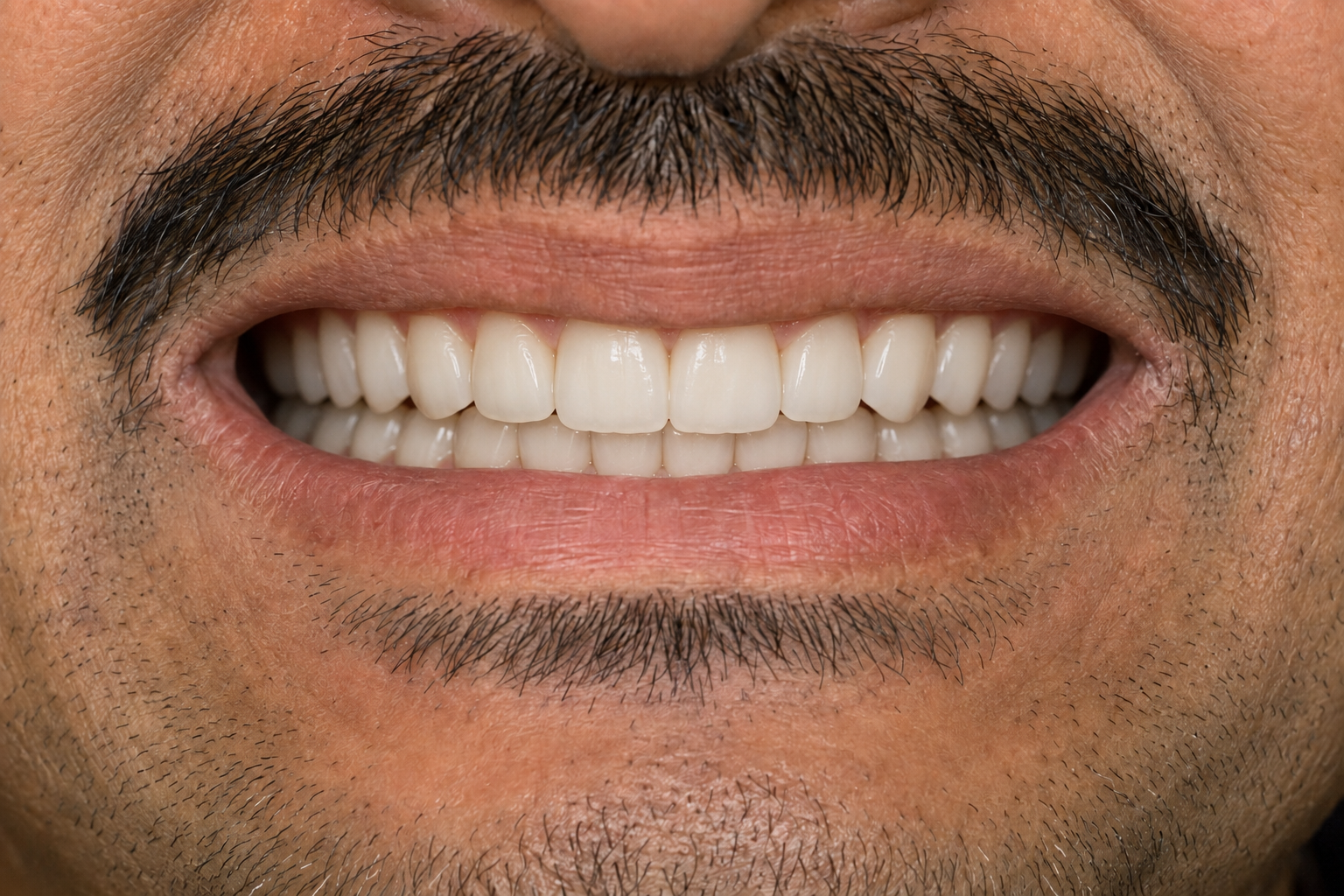
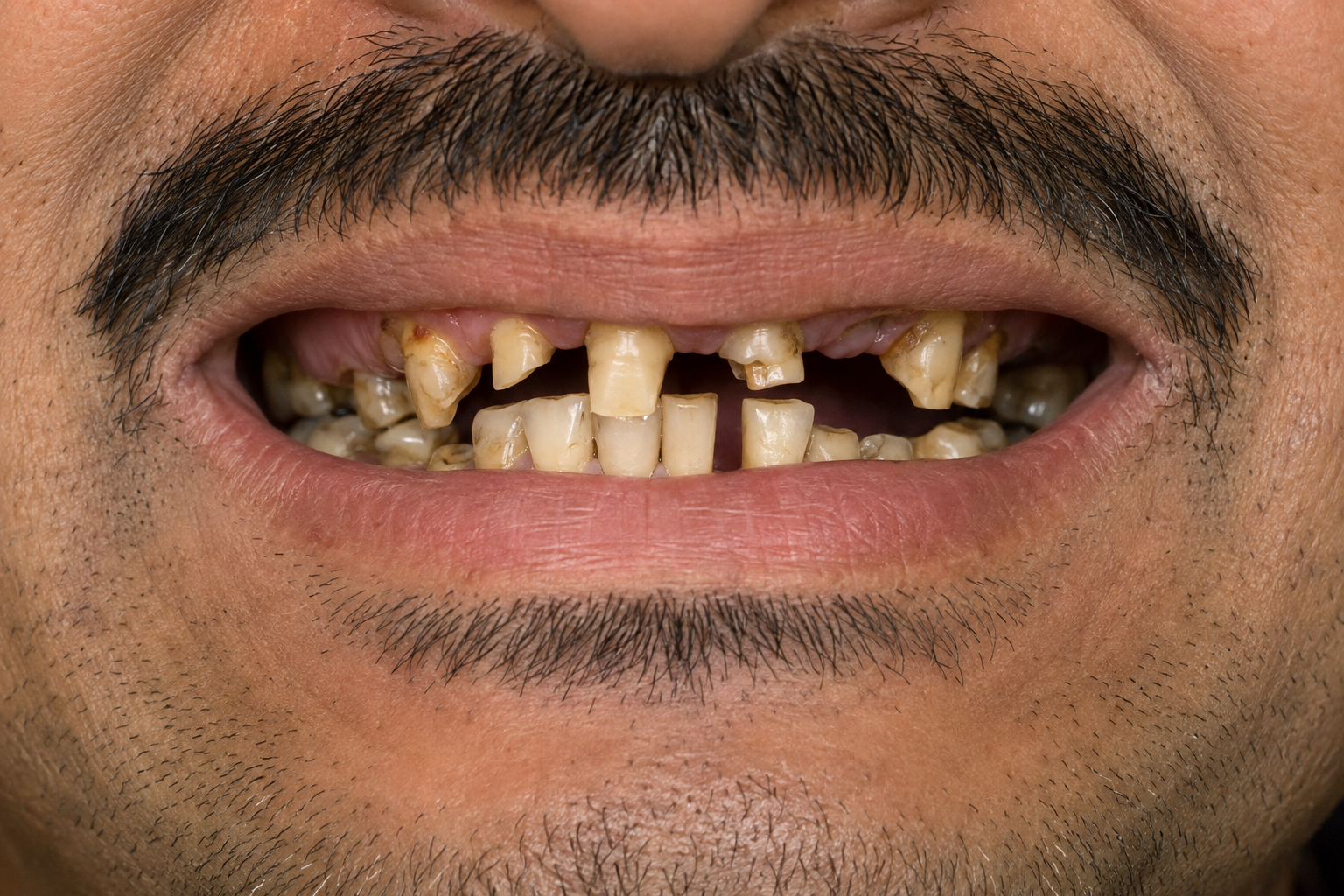
Every smile transformation begins with careful evaluation and a personalised treatment plan. Explore selected before-and-after results from patients treated at Pristine Dental and see how appropriate dental care can improve smile aesthetics, oral function and confidence.
After Treatment
Before Treatment
Treatment outcomes may vary according to each patient’s dental condition and individual clinical requirements. Images are displayed with appropriate patient consent.
Follow Pristine Dental on Instagram for dental-health awareness, treatment information, clinic updates and a closer look at our approach to patient care.
Instagram Profile @pristine_dental_raipurRead genuine experiences shared by patients who have visited Pristine Dental for their dental care.
Posted on Google Aditya devraj SahuTrustindex verifies that the original source of the review is Google. I came here for cleaning and I have never been this happy with the resultsPosted on Google Manish HarpalTrustindex verifies that the original source of the review is Google. Mai yaha apne danton ki safai k liye aay tha pr mai bohot khush hun treatment sePosted on Google Pooja ritesh GoyalTrustindex verifies that the original source of the review is Google. Mai yaha dant nikalwane k liye i thi, mam ne bohot gentally mujhe handle Kiya ,mai bohot dari hui thi but mera kaam bohot acche se hua, mujhe pata bhi ni chala or treatment ho gaya, best thing about this place is ki yaha saaf safai bohot acchi hai, Dr priyal agrawal mam bohot gentally handle karte hai, best dental clinic in raipur.Posted on Google Chhotu panditTrustindex verifies that the original source of the review is Google. Bahut achcha clinic hai. Yahan danton ka acchhe se check up hota hai. Thank you ma'am.Posted on Google Gauri BansalTrustindex verifies that the original source of the review is Google. I had my scaling and polishing done from doctor Priyal. She is the most amazing dentist I have come across. The clinic is high tech and fully packed with latest equipments. Do visit her.Posted on Google Krisssu DubeyTrustindex verifies that the original source of the review is Google. I got 2 dental implants done here, and I must say Dr priyal agrawal is the best implantologist I have met , my treatment was very smooth, the vibe was good , I had my cleaning done here too and I can only say Dr priyal is the best dentist in town and pristine dental is the cleanest clinic in raipur. 100 percent recommendedPosted on Google Sakshi BansalTrustindex verifies that the original source of the review is Google. Highly recommended. The place is incredibly hygienic, welcoming, and beautifully designed. Dr. Priyal is excellent at what she does, gives you a clear and honest picture of your dental health, and makes you feel completely comfortable throughout. Do visit and see for yourself how Raipur is taking the dental health to the next level.Posted on Google Jyoti SagarwanshiTrustindex verifies that the original source of the review is Google. Very happy with the treatment, dr is very goodPosted on Google Francis LakraTrustindex verifies that the original source of the review is Google. Came to this clinic after searching on Google . The clinic is really nice and doctor here is amazing. She gives best advice and is really nice. I would highly recommend people to come here to this clinic .Posted on Google Jaswant KaurTrustindex verifies that the original source of the review is Google. The staff is very friendly and the doctor is amazing unlike other doctors he doesn't scam you and give you geniune advice . The clinic is budget friendly and they don't overcharge you not do they give bad advice.Verified by TrustindexTrustindex verified badge is the Universal Symbol of Trust. Only the greatest companies can get the verified badge who has a review score above 4.5, based on customer reviews over the past 12 months. Read more
Find helpful information about appointments, treatments and dental care at Pristine Dental, Raipur.
Root canal treatment is performed under local anaesthesia. You may feel pressure or vibration, but sharp pain should not be expected once the tooth is adequately numb. Mild tenderness can occur after treatment.
Some teeth can be treated in one appointment, while infected, complex or retreated teeth may require multiple visits. The number of appointments is decided after examination.
Not every tooth requires a crown. Back teeth and extensively damaged teeth often benefit from protective coverage because they receive stronger chewing forces. The final restoration depends on tooth location and remaining structure.
No. Retreatment suitability depends on tooth structure, root anatomy, previous materials, fractures, bone support and the ability to restore the tooth afterward.
Antibiotics alone usually cannot remove infection contained inside the root-canal system. Dental treatment is generally required. Antibiotics are prescribed only when clinically indicated.
Yes. Pristine Dental provides emergency dental assistance during clinic hours. Contact us on WhatsApp or call +91 91715 80000 for appointment guidance.
Yes. The clinic is open on Sundays from 10:30 AM to 3:00 PM. We recommend booking your appointment in advance.
You can request an appointment through WhatsApp or call us at +91 91715 80000.
Contact Pristine Dental for appointment guidance or information about our treatments.
If you have severe toothache, swelling, prolonged sensitivity or a damaged tooth, early diagnosis may improve the possibility of preserving it.
Visit our modern dental clinic or connect with our team for appointment guidance and treatment information.